
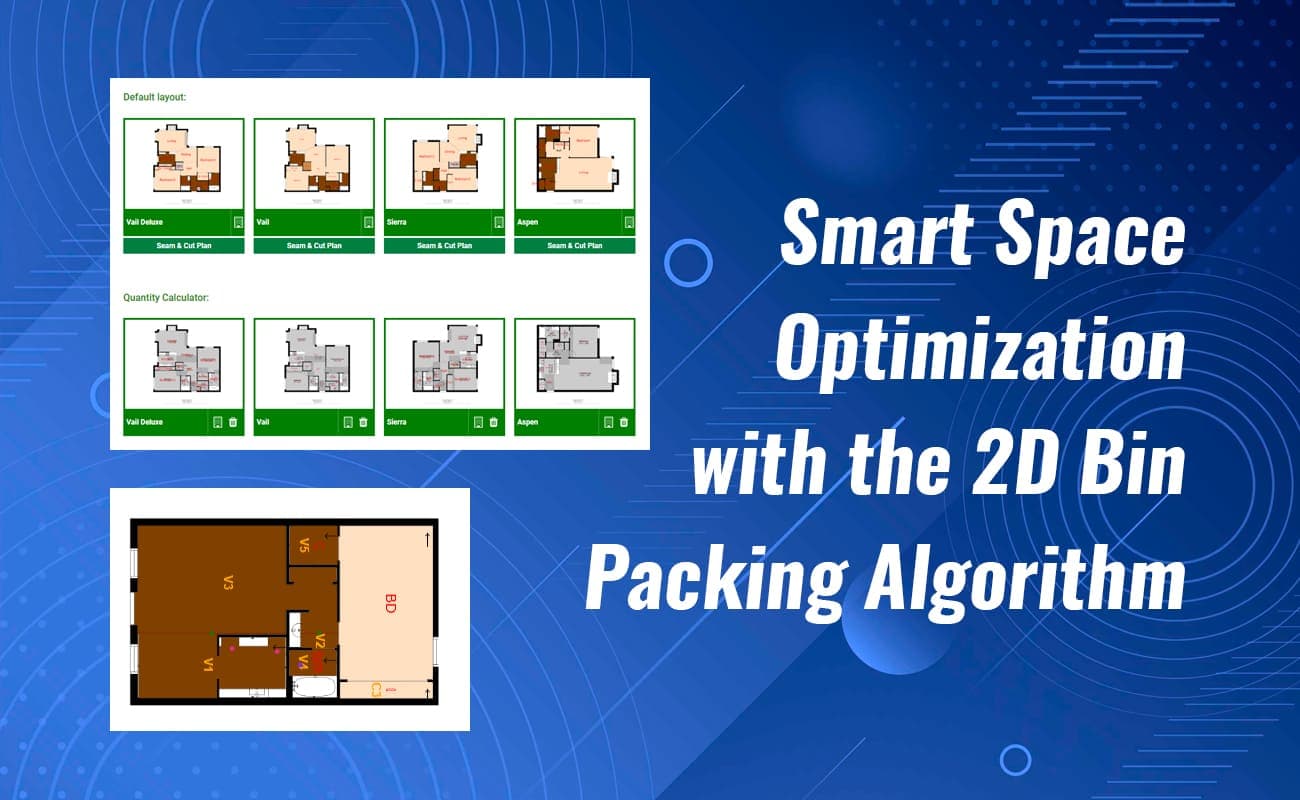
Smart Space Optimization and Cost Efficiency Using 2D Bin Packing Algorithm
Efficient space utilization plays a crucial role in industries ranging from logistics and manufacturing to architecture and interior design. As businesses and individuals seek ways to reduce costs, minimize waste, and improve operational efficiency, advanced optimization techniques have become increasingly valuable.
One of the most effective approaches for solving spatial arrangement challenges is the 2D Bin Packing Algorithm. This powerful computational method determines the most efficient way to arrange objects within a confined space, maximizing utilization while minimizing unused areas.
This article explores how the 2D Bin Packing Algorithm works, its practical applications across industries, and its growing role in modern space optimization and cost reduction strategies.
Understanding the 2D Bin Packing Algorithm
What is the 2D Bin Packing Algorithm?
Spatial optimization at its core
The 2D Bin Packing Algorithm is an optimization technique designed to place multiple items within a fixed two-dimensional space while minimizing wasted area and maximizing efficiency. The algorithm evaluates object dimensions, shapes, orientations, and placement constraints to determine the most optimal arrangement.
Core Objectives:
- Maximize space utilization
- Minimize unused areas
- Reduce operational costs
- Improve resource efficiency
- Generate optimized layouts automatically
Key Components of the Algorithm
What makes it work
The effectiveness of the algorithm depends on several critical elements that work together to achieve optimal results, from processing input data to continuously evaluating layout efficiency.
Key Components:
- Input Data Processing
- Item Dimension Analysis
- Placement Constraints
- Packing Heuristics
- Optimization Rules
- Continuous Layout Evaluation
Advanced Optimization Techniques
Computational power applied
Modern implementations often incorporate sophisticated optimization methods to improve accuracy and computational efficiency, enabling the algorithm to handle complex real-world scenarios with greater precision.
Popular Techniques Include:
- Dynamic Programming
- Genetic Algorithms
- Simulated Annealing
- Branch and Bound
- Ant Colony Optimization
- Metaheuristic Approaches
Industrial Applications
Supply Chain & Logistics
Efficient space utilization directly impacts transportation costs and warehouse operations — from container loading and cargo arrangement to inventory storage management and shipment planning.
Manufacturing & Material Cutting
Manufacturers use bin packing algorithms to reduce material waste and improve production efficiency through optimized cutting patterns, reduced scrap, and better resource utilization.
E-Commerce & Packaging
Online retailers rely on efficient packaging strategies to reduce shipping expenses and improve fulfillment through automated box selection, product arrangement optimization, and packaging cost reduction.
Gaming & Graphics Rendering
The algorithm is widely used in software and game development for texture atlas generation, memory optimization, graphics rendering efficiency, and overall performance enhancement.
Real-World Applications in Home Design
Layout Optimization
By treating rooms, walls, and functional areas as geometric shapes, the algorithm can generate highly efficient floor plans that maximize available space, reduce construction costs, and improve functional layouts.
Sustainable Construction
Efficient layouts naturally contribute to sustainability by reducing material consumption and construction waste, resulting in lower material usage, energy-efficient designs, and eco-friendly construction practices.
Furniture and Interior Planning
The algorithm can optimize furniture placement while maintaining comfort, accessibility, and aesthetic appeal — improving room functionality, traffic flow, space maximization, and visual balance.
Technical Workflow
Data Collection & Modeling
The process begins by gathering all dimensions, constraints, and layout requirements. Input parameters include object dimensions, shape definitions, placement rules, orientation constraints, and available space boundaries.
Packing Strategy Selection
The algorithm selects the most suitable packing strategy based on project requirements — including First-Fit Decreasing (FFD), Bottom-Left Placement, Best-Fit Algorithms, Greedy Packing Methods, and Hybrid Optimization Models.
Optimization & Refinement
Multiple iterations are performed to improve packing efficiency and reduce wasted space, targeting higher packing density, lower waste percentage, improved layout efficiency, and faster processing times.
Result Generation
The final output delivers an optimized arrangement that meets project objectives while maximizing available space — including layout design, space utilization reports, waste reduction metrics, cost analysis, and performance recommendations.
Key Business Benefits
Cost Reduction
Optimized layouts help reduce expenses associated with materials, storage, transportation, and construction — delivering direct bottom-line savings.
Improved Operational Efficiency
Automated space planning eliminates manual calculations and significantly improves planning accuracy, saving time and reducing human error.
Scalability
The algorithm can handle projects ranging from small residential layouts to large-scale industrial operations, scaling seamlessly with business growth.
Enhanced Decision Making
Data-driven optimization provides actionable insights that support better business decisions through measurable performance metrics and layout reports.
Sustainability Support
Efficient resource utilization contributes to environmentally responsible business practices by reducing material waste and energy consumption.
Example Use Cases
Compact Apartment Design
A small urban apartment can be optimized to fit all essential living spaces while minimizing construction costs and maximizing usability.
Warehouse Optimization
Inventory bins and storage racks can be arranged strategically to improve storage capacity and operational efficiency.
Manufacturing Operations
Raw materials can be cut and arranged efficiently to minimize waste and improve production profitability.
Shipping and Logistics
Products can be packed into shipping containers using optimal configurations that reduce transportation costs.
Retail Space Planning
Store layouts can be optimized to improve customer flow and maximize product display areas.
Commercial Building Design
Office spaces can be designed to maximize occupancy while maintaining comfort and functionality.
Solution Architecture
- Maximum Space Utilization
- Reduced Material Waste
- Automated Planning
- Improved Cost Efficiency
- Faster Decision Making
- Scalable Optimization Solutions
Project Example
2D Bin Packing in Practice: Warehouse Space Optimization
Project Objectives
A regional logistics company needed to maximize their warehouse storage capacity without physical expansion. Their manual stacking and bin allocation process was leading to 30% wasted floor space and frequent stock retrieval delays.
Key Implementations
- 2D Bin Packing Algorithm applied to storage bin and rack allocation
- Constraint-based modeling for product dimensions and weight limits
- First-Fit Decreasing (FFD) strategy for initial bin assignments
- Iterative refinement to reduce aisle obstruction and improve retrieval speed
- Space utilization reporting dashboard for warehouse managers
Business Outcome
After deploying the optimization system, the company reduced wasted floor space by 38%, improved average order retrieval time by 42%, and avoided the need for a planned warehouse expansion — saving an estimated $280,000 in construction and leasing costs.
Final Thoughts
The 2D Bin Packing Algorithm demonstrates how advanced computational techniques can solve complex real-world challenges across industries. From logistics and manufacturing to architecture and interior design, the algorithm enables organizations to maximize efficiency, reduce waste, and lower operational costs.
As businesses continue to seek smarter ways to optimize resources, space planning algorithms will play an increasingly important role in driving innovation and sustainability.
At Laitkor Consultancy Services, we specialize in developing custom software solutions powered by advanced optimization algorithms, computer vision technologies, and intelligent automation systems. Whether you're looking to improve warehouse operations, optimize manufacturing processes, or create efficient architectural layouts, our team can deliver tailored solutions that align with your business goals.
Unlock the power of intelligent space optimization with the 2D Bin Packing Algorithm — and transform efficiency, cost savings, and innovation into measurable business results.
Need Expert Development Help?
Cloud-ready, high-performance applications tailored to your specific business needs.
About the Author